
パソコン初心者に優しく、集客につながるホームページ制作
当社のWEB作成は難しい用語の使用はできるだけ避け、パソコン初心者にも安心して問い合わせや集客につながるホームページ作成を目指します。
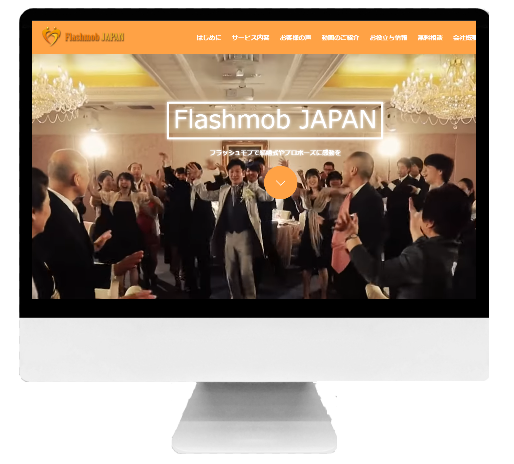
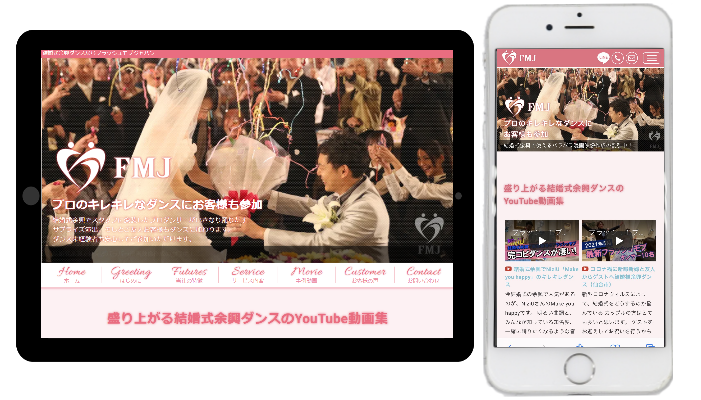
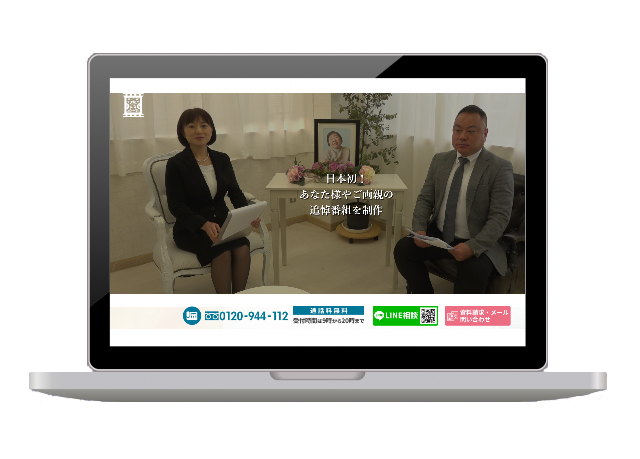
制作事例をご紹介
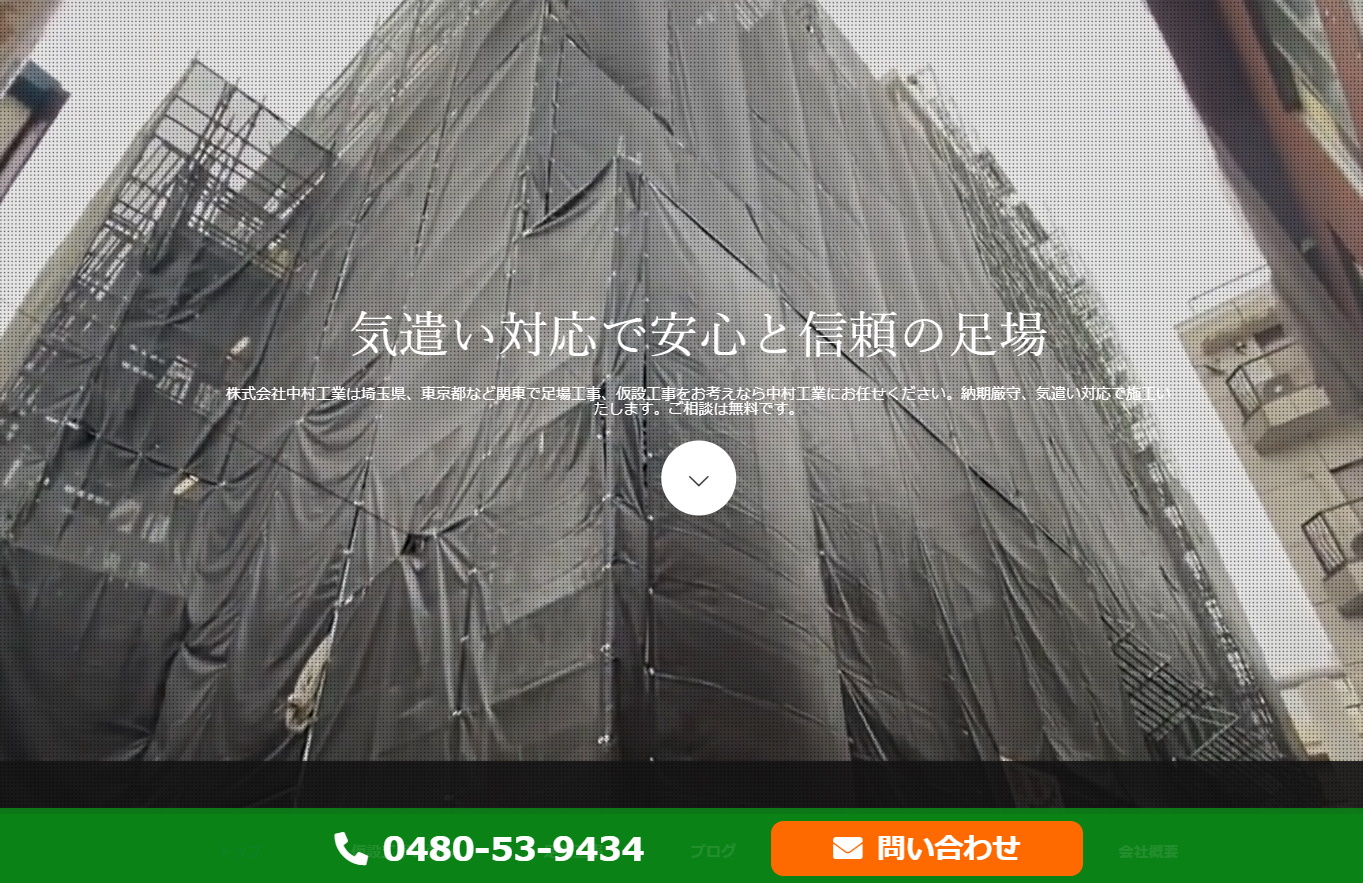
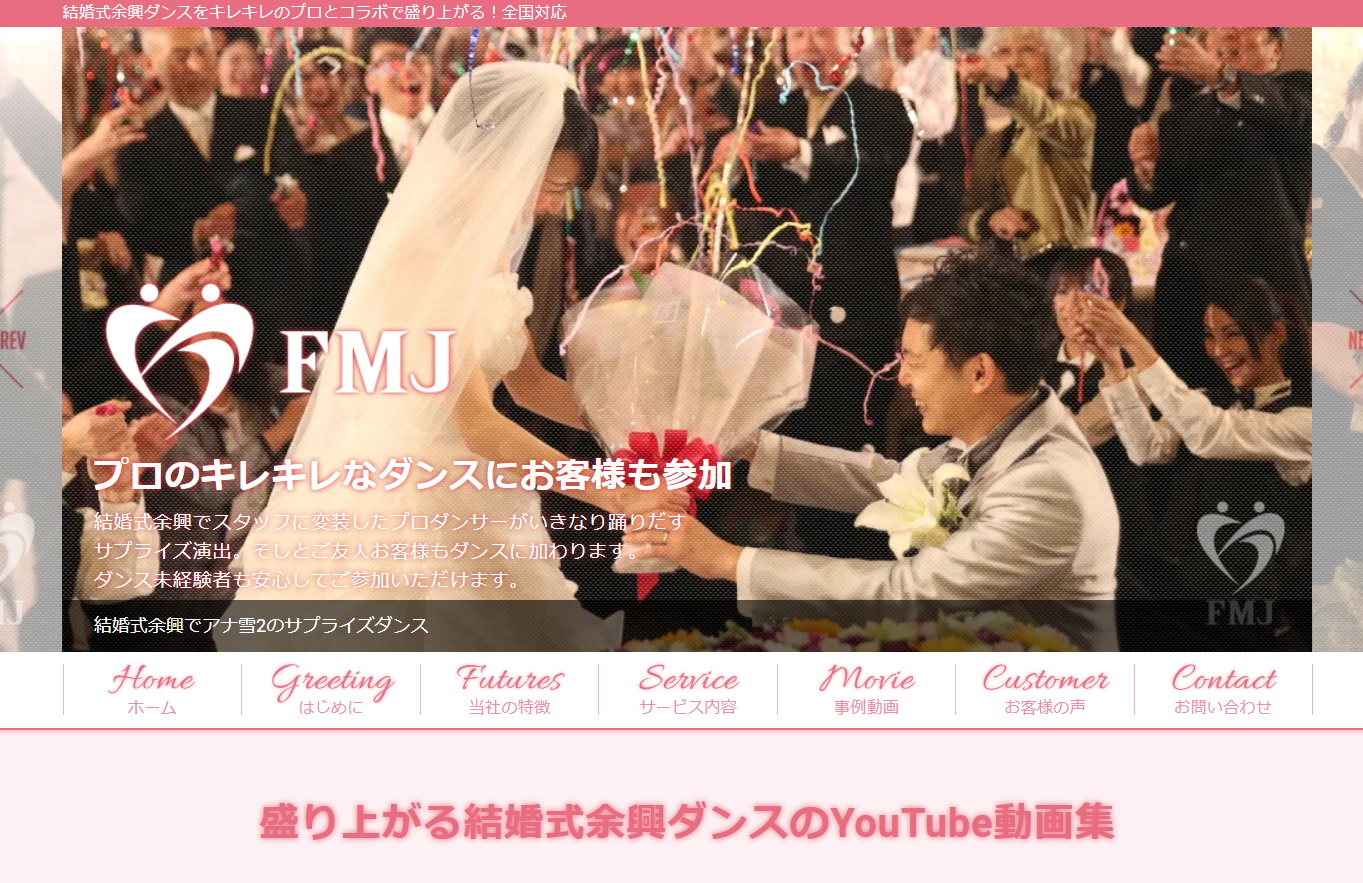
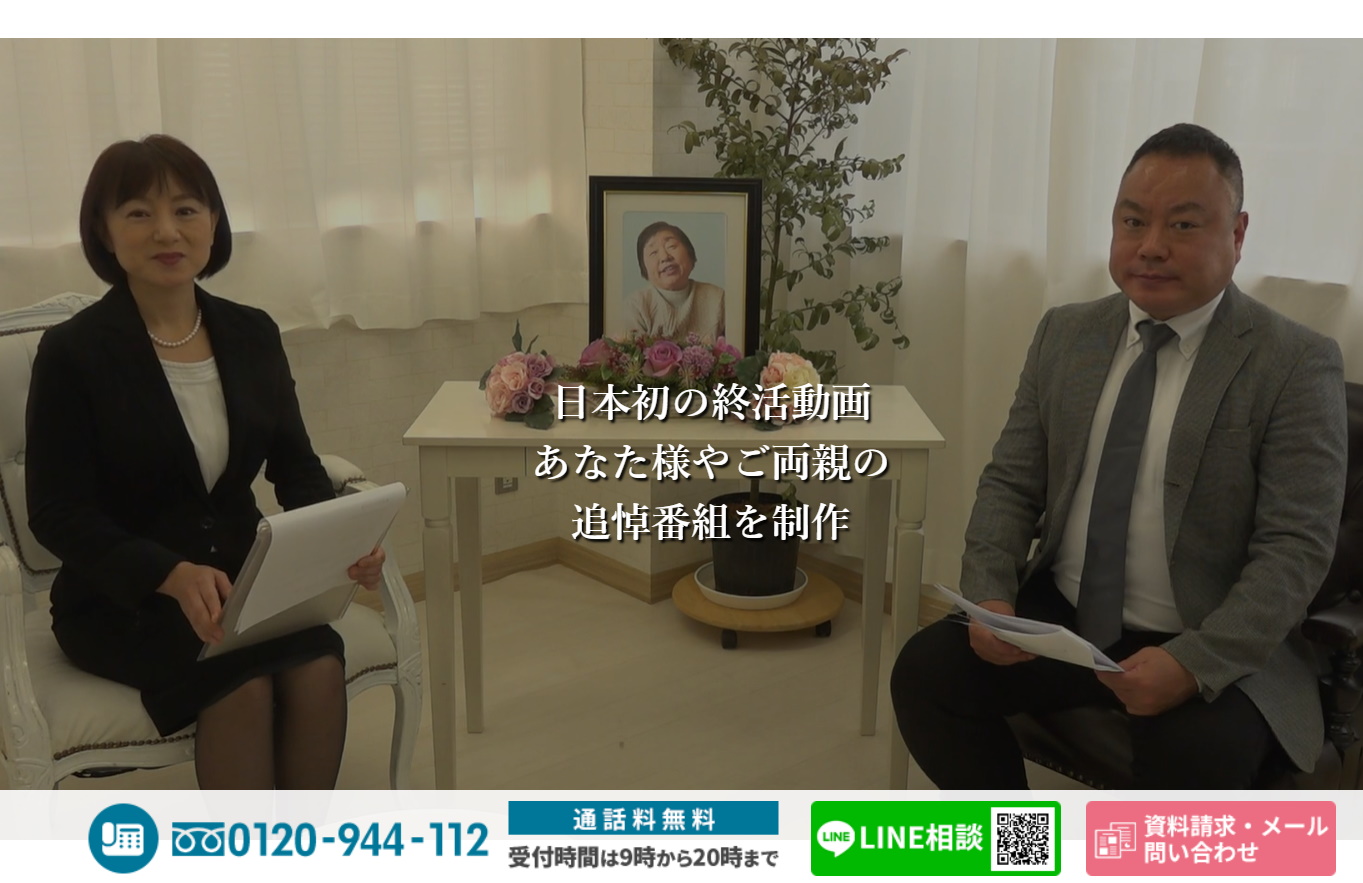
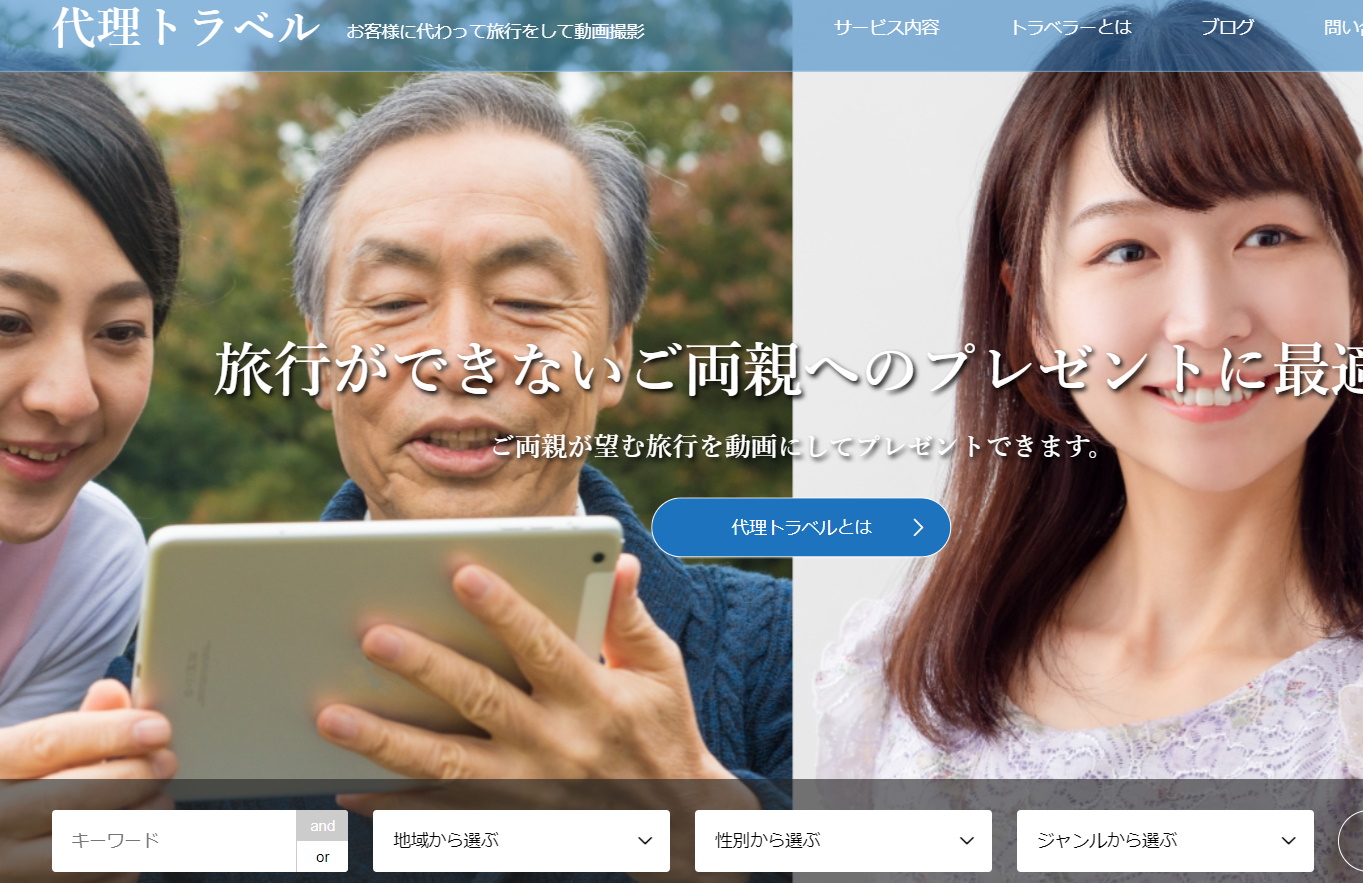
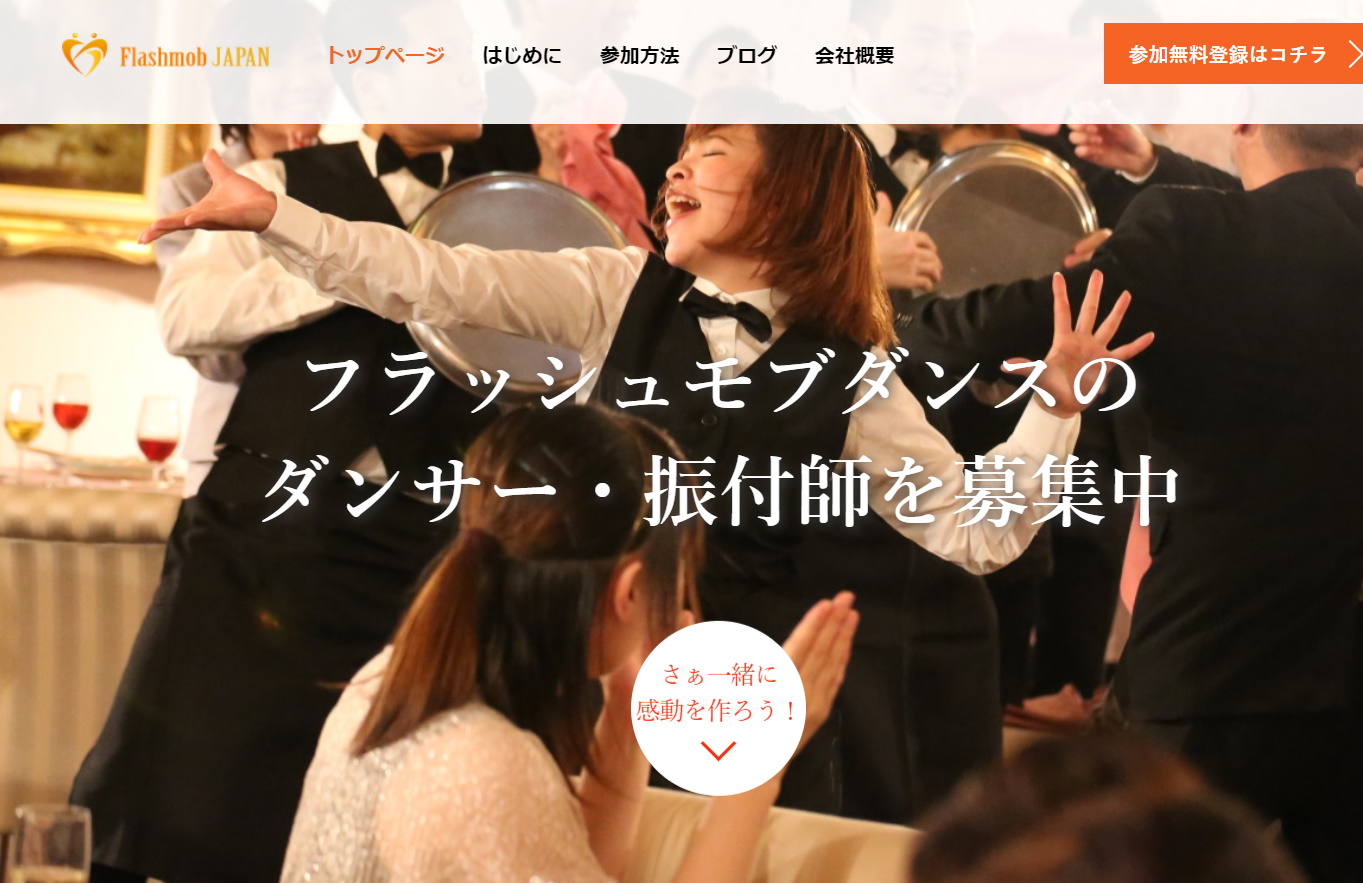
当社のホームページ制作事例をご紹介。足場工事様、リフォーム会社様、飲食店など業種を問わず制作いたします。
SEO対策(検索エンジン上位表示)もお任せください
ウェブサクシードのSEO対策(検索エンジン上位表示)は完全成果報酬制!
だから、上位表示されたときのみ費用が発生するの安心です。
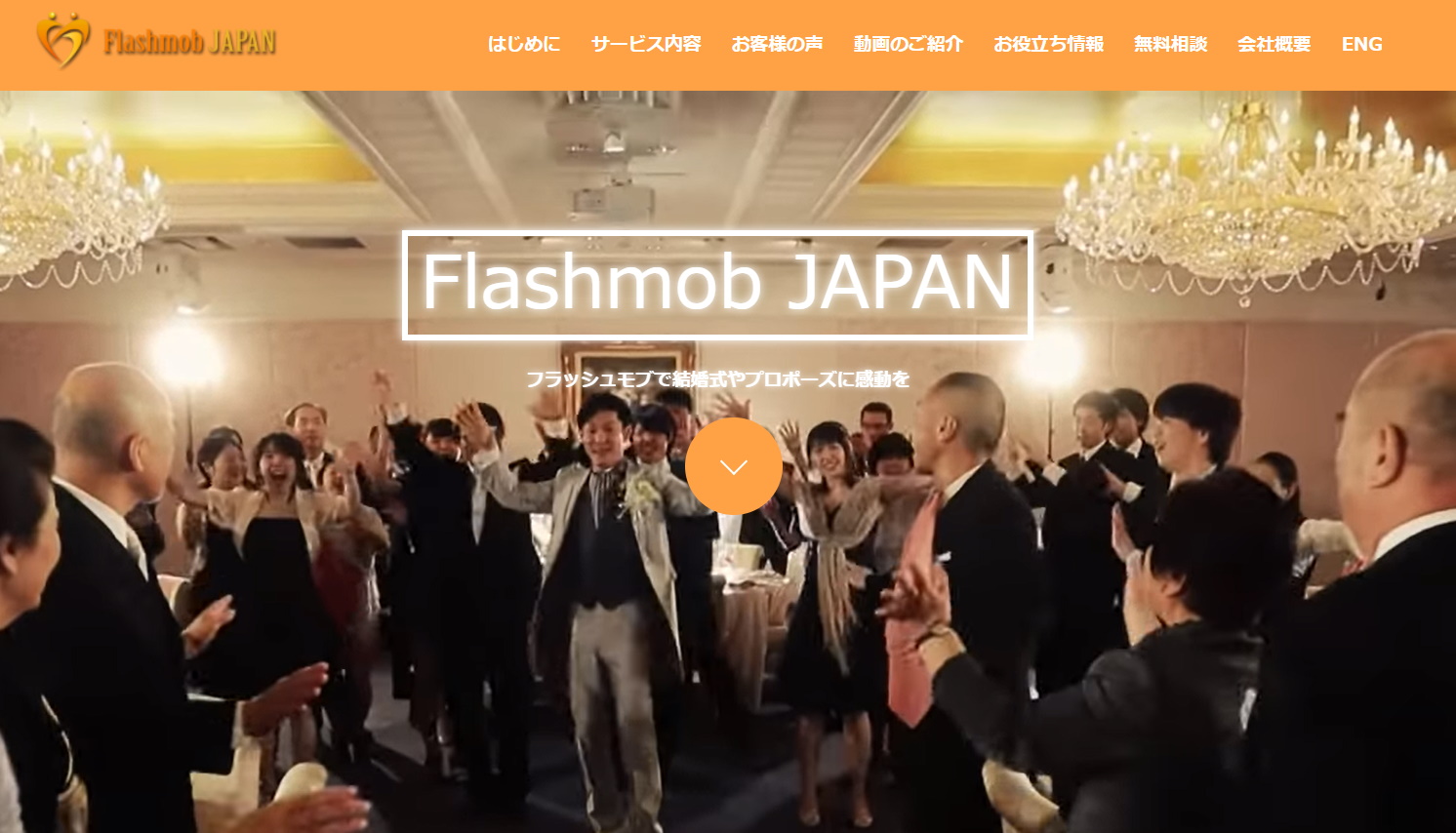
SEO対策(検索エンジン上位表示)の実績
※2022年1月現在のグーグルスマホ検索表示の一例
| キーワード | 掲載順位 |
| フラッシュモブ | 4位 |
| 足場業者 埼玉 | 2位 |
| 終活動画 | 6位 |
| 筆跡診断 | 6位 |
ホームページ制作費用を抑え、集客に力を入れる
ホームページ制作費用(初期費用)は55,000円から。また月々のサポート費用は5,500円から。と費用を抑え、集客に力を入れお客様のビジネスが発展できるようサポート致します。

ホームページは育てるもの。制作後のサポートも安心!
ホームページは制作後にコンテンツを増やして育てて集客するものです。当社のホームページ制作はサポート費用5,500円からでテキストの追加、酒精は無制限で可能!

本格的に集客したい方は完全成果報酬制で安心に検索エンジン上位表示
ホームページからの問い合わせや資料請求など売上アップを目的取られる方には上位表示されなかった場合には費用が掛からないSEO対策サービスをご提供。
東京都新宿区を中心にホームページ制作を承っております
当社は東京都新宿区にある会社です。地域密着で東京都新宿区の会社様に愛されるホームページ作成会社を目指しています。また、新宿区以外のお客様の依頼を承っております。費用やデザインのご相談、お見積り無料となっておりますのでお気軽にご連絡ください。